NONDESTRUCTIVE TESTING HANDBOOK -
Electromagnetic Testing
Manual de Ensaio Não Destrutivo - Ensaio Eletromagnético
- Parte 1. Ensaios Não Destrutivos
- Definição
- Métodos e Técnicas
- Propósitos dos Ensaios Não
Destrutivos
- Aumento de Demanda Operacional
dos Equipamentos
- Aumento na Demanda por Materiais
Confiáveis
- Demanda Pública por Aumento na
Segurança
- Aumento no Custo das Falhas
- Aplicação dos Ensaios Não Destrutivos
- Classificação dos Métodos de Ensaio
- Classificação Relativa ao Objeto
Ensaiado
- Valor do Ensaio Não Destrutivo
- Resumo dos Ensaios Não Destrutivos
- Ensaio Visual
- Ensaio de Líquidos Penetrantes
- Ensaio de Partículas Magnéticas
- Ensaio Radiográfico
- Ensaio Ultrassônico
- Teste de Vazamento
- Ensaio de Emissão Acústica
- Ensaio Infravermenlho e Térmico
- Outros Métodos
- Parte 2. Gerenciamento dos Ensaios
Eletromagnéticos
- Seleção do Ensaio Eletromagnético
- Vantagens do Ensaio
Eletromagnético
- Limitações do Ensaio de
Correntes Parasitas
- Gerenciamento dos Programas de
Ensaios
Eletromagnéticos
- Prestadores de Serviço
- Consultores
- Programas Internos
- Procedimentos para Ensaios
Eletromagnéticos
- Especificações Técnicas dos Ensaios
Eletromagnéticos
- Métodos para Indução e Detecção
dos Campos
Magnéticos
- Frequência Empregada no Ensaio
de Correntes
Parasitas
- Interpletação dos Resultados
- Garantindo a Confiabilidade dos
Resultados do Ensaio
- Normas dos Ensaios Eletromagnéticos
- Qualificação e Certificação de
Pessoal
- Seleção da Prática Recomendada
SNT-TC-1A
- Certificação Central
- Segurança dos Ensaios Eletromagnéticos
- Parte 3. Unidades de Medida nos Ensaios
Eletromagnéticos
- Origem do Uso do Sistema Internacional
- Multiplos
- Unidades Internacionais do Ensaio Eletromagnético
- Unidades CGS
- Condutividade e Resistividade
- Referências Bibliográficas
1 ENSAIOS NÃO DESTRUTIVOS
1.1 Definição
Os Ensaios Não Destrutivos (END) são definidos como sendo
métodos usados para ensaiar uma peça, um material, ou um sistema sem
prejudicar seu uso futuro.
(R01)
O termo é geralmente aplicado a
verificações
fora da área médica na integridade dos materiais.
No senso estrito,
essa definição de ensaios não destrutivos inclui diagnósticos não
invasivos médicos. Ultrassom, Radiografia e Endoscopia são usados tanto
por médicos como em ensaios não destrutivos na industria. Ensaios não
destrutivos da área médica, no entanto, tornaram-se muito diferentes
dos ensaios da área industrial de forma que os médicos não empregam
mais o termo não
destrutivo.
Os ensaios não destrutivos são usados especificamente para investigar a
integridade ou propriedades do material da peça ensaiada. Outras
tecnologias como por exemplo, radio astronomia, medição de voltagem e
amperagem, e reometria (fluxo medição) são ensaios não destrutivos, mas
não são
especificamente para avaliar as propriedades dos materiais. Radar e
sonar são classificados como ensaios não destrutivos quando empregados
para avaliar represas, mas não seriam assim chamadas se empregadas para
avaliar o perfil do fundo de rios.
Os ensaios não destrutivos perguntam: "Existe algo errado com esse
material?". Diferentemente, ensaios de desempenho e testes
hidrostáticos perguntam: "Esse componente funciona bem?. Não deve ser
considerado ensaio não destrutivo quando um inspetor verifica um
circuito elétrico pela passagem de corrente elétrica por ele.
Ensaio de
pressão hidrostática é outro tipo de teste de prova, que podem
destruir o objeto ensaiado.
Outra área cinzenta que convida a várias
interpretações na definição de ensaio não destrutivo é a utilidade
futura.
Algumas investigações de materiais envolvem a retirada de uma amostra
da peça testada para realizar um ensaio que é inerentemente destrutivo.
Uma
parte não crítica de um vaso de pressão pode ser raspada ou cortada
para obter uma amostra para microscopia eletrônica, por exemplo. Embora
a utilidade futura do vaso não seja prejudicada pela perda de material,
o procedimento é inerentemente destrutivo e a própria raspagem — em
certo sentido, o verdadeiro objeto de teste — foi
removida permanentemente de serviço.
Outra ideia de utilidade futura que é relevante no contrôle da
qualidade de peças é a amostragem. Amostragem (isso é, menos que ensaio
total = 100%) com o objetivo de obter informações/inferências sobre
peças não ensaiadas é um ensaio não destrutivo se as amostras
ensaiadas retornam ao serviço após os ensaios. Se o aço é ensaiado para
verificar a liga em alguns parafusos que retornam ao serviço, o ensaio
é não destrutivo. Contrariamente, mesmo que espectroscopia seja usada
num ensaio tipicamente não destruvo se as amostras são descartadas após
o ensaio o ensaio será destrutivo.
Os
ensaios não destrutivos não são empregados apenas para detecçãode
trincas. Outras descontinuidades incluindo porosidades, diminuição da
espessura de parede por corrosão e ainda seleção de materiais e
descolamento de camadas. Caracterização de materiais é um campo
crescente ligado as propriedades dos materiais incluindo a
identificação dos elementos e características microestruturais - tais
como cura de resinas, endurecimento e estado de tensões - que têm uma
influência direta na vida útil dos objetos ensaiados.
1.2 Métodos e Técnicas
Ensaios
não destrutivos também foram definidos por meio da listagem ou
classificação de várias técnicas. Nesse sentido de os ensaios não
destrutivos são práticos porque normalmente destaca métodos utilizados
por indústria.
No
Manual de Ensaios Não Destrutivos, a palavra método é usada para um
grupo de técnicas de ensaio que compartilham uma forma energia para
sua realização. Métodos de ensaio ultrassônico, por exemplo, usam ondas
acústicas mais rápidas que o som. Ensaios com infravermelho e térmicos
e
ensaios radiográficos ambos utilizam radiação eletromagnética, cada um
em uma faixa de comprimentos de onda definida. Uma técnica, em
contraste, possui características que adaptam o método para uma
determinada aplicação.
Ensaio pulso-eco ultrassônico, por exemplo, se
baseia na transmissão e na recepção de ondas acústicas é uma técnica do
método ultrassónico.
1.3 Propósitos dos Ensaios Não Destrutivos
Desde
a década de 1920, a arte de ensaiar sem a destruição do objeto de teste
desenvolveu-se de uma curiosidade de laboratório para um ferramenta
indispensável de fabricação, construção, manufatura e processos de
manutenção. Não seriam mais apenas os ensaios visuais de materiais,
peças e produtos
completos o principal meio de determinar qualidade adequada. Ensaios
não
destrutivos em grande variedade estão em uso mundial para detectar
variações em estrutura, pequenas mudanças na superfície de acabamento,
a
presença de trincas ou outras descontinuidades físicas, para medir o
espessura dos materiais e revestimentos, e até determinar outras
características de produtos industriais. Cientistas e engenheiros de
muitos países contribuem muito para o desenvolvimento
e aplicações
dos ensaios não destrutivos.
Os
diversos métodos de ensaios não destrutivos são abordados em detalhes
na literatura, mas é sempre sensato considerar os objetivos antes de
selecionar a técnica a empregar:
(a) Se os ensaios não destrutivos serão úteis?
(b) Por que milhares de
empresas industriais compram os aparelhos de ensaio, os custos da
realização do ensaio e até os custos de remodelar os processos de
fabricação para se adequar as necessidades e descobertas do ensaio não
destrutivo?
Ensaios
não destrutivos modernos são usados pelos fabricantes para:
(1) garantir que a integridade e consequentemente a
confiabilidade de um produto;
(2) evitar falhas, acidentes e garantir vidas humanas (ver Figuras 1 e
2);
(3) garantir retorno financeiro aos usuários;
(4) prover satisfação aos consumidores e manter a reputação do
fabricante;
(5) ajudar a melhorar o projeto dos produtos;
(6) controlar os processos de fabricação;
(7) diminuir os custos de fabricação;
(8) manter um nível uniforme de qualidade, e;
(9) garantir a disponibilidade operacional dos componentes industriais.
Essas
razões para a ampliação e justificativa financeira do uso dos ensaios
não destrutivo são suficientes mas desenvolvimentos paralelos também
contribuiram para o crescimento do uso e a sua aceitação.
1.3.1 Aumento na Demanda Operacional dos Equipamentos
No
interesse
de maior desempenho e redução do custo dos materiais, o
engenheiro de projeto frequentemente está sob pressão para reduzir
peso. Isso às
vezes pode ser feito substituindo por ligas de alumínio, magnésio ou
materiais compósitos ao invés de aço ou ferro, mas partes tão leves
não podem ter o mesmo tamanho ou projeto (seção resistente) daquelas
que elas substituem.
A
tendência também é reduzir o tamanho. Essas exigências sobre o
projetista
têm submetido a aumentos nos níveis de tensões aplicadas as peças.
Mesmo objetos
tão
comuns como máquinas de costura, panelas e malas de bagagens
também tendem a ser mais leves e mais submetidas a cargas do que nunca.
As
tensões a ser suportadas raramente são estáticas. Frequentemente
flutuam e
invertem de valores em baixas ou altas frequências. Frequência das
reversões de
tensões aumenta com as velocidades das máquinas modernas e, portanto,
as
peças tendem a se fatigar e falham mais rapidamente. Outra causa do
aumento do tensões em produtos modernos é uma redução no fator de
segurança. Um engenheiro projeta com certas cargas conhecidas em mente.
No suposição de que materiais e o trabalho nunca é perfeito, uma
segurança com fator de 2, 3, 5 ou 10 é aplicado. No entanto, um fator
menor
é frequentemente usado o que influencia em considerações de custo
ou peso. Novas demandas por máquinas também têm estimulado o
desenvolvimento e uso de novos materiais que operam com características
e
desempenho que não são completamente conhecidos. Esses novos materiais
poderia criar maiores e potencialmente problemas
mais perigosos
. Por
exemplo, uma parte da aeronave foi construída com uma liga cujo
endurecimento ao trabalho, resistência ao entalhe e a vida de fadiga
não eram bem conhecidos. Depois de períodos relativamente curtos de
serviço,
alguns das aeronaves que usavam essas peças sofreram falhas
desastrosas. Suficientes e adequados testes não destrutivos poderiam
ter
salvo muitas vidas.
À
medida que a tecnologia melhora e os requisitos
de serviço
aumentam, as
máquinas são sujeita a variações maiores e a extremos mais amplos de
todos os tipos de tensões, criando uma demanda crescente por materiais
mais
fortes ou mais tolerantes a danos.

FIGURA 1. Trincas de Fadiga contribuiram para acidente com avião de
passageiros durante vôo (Abril 1988).
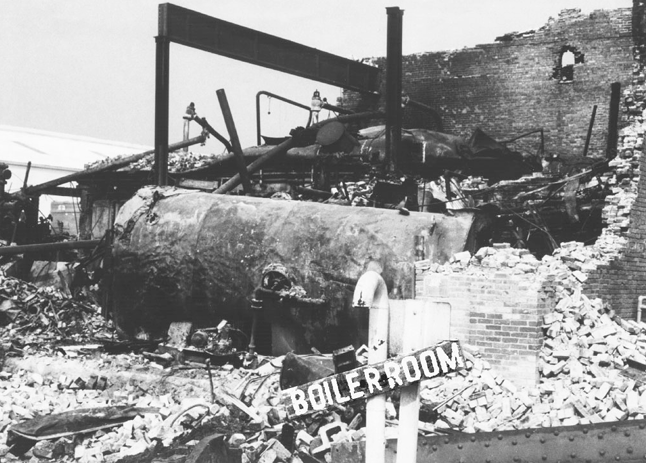
FIGURA 2. Caldeiras operam com alta pressão de vapor interna.
Descontinuidades presentes no material podem levar a falhas repentinas
e violentas que venham a causar acidentes com pessoas e prejuízos
materiais.
1.3.2 Aumento na Demanda por Materiais Confiáveis
Outra
justificativa para os ensaios não destrutivos são a demanda do
projetista
por materiais mais confiáveis. À medida que o tamanho e o peso diminuem
e o
fator de segurança é reduzido, mais ênfase é dada ao controle da
matéria-prima, manufatura, processamento e operações de fabricação.
Um
fato interessante é que um produtor de matéria-prima ou fabricante de
um produto
acabado às vezes não melhora a qualidade ou desempenho até que essa
melhoria seja exigido pelo cliente. A pressão do cliente é transferido
para implementação de projeto ou fabricação aprimorados. Ensaios não
destrutivos são frequentemente solicitados para obter esse novo nível
de qualidade.
1.3.3 Demanda Pública por Aumento na Segurança
As
demandas e expectativas do público por maior segurança é evidente em
todo lugar. Analisando o registro dos tribunais na concessão de grandes
indenizações as pessoas acidentadas e considere o clamor por maior
segurança automotiva, evidenciada pelo emprego de cintos de segurança
automotiva
obrigatórios e a demanda por airbags, pneus à prova de estouro e
sistemas de freio antibloqueio. As atividades publicamente apoiadas
pelo
Conselho Nacional de Segurança, por Laboratórios, pela Segurança
Ocupacional e pela Administração de Saúde e pela Federal Administração
de
Aviação nos Estados Unidos Estados, assim como o trabalho de outros
organismos
semelhantes e agências no exterior, são apenas algumas das demandas por
segurança expressas. Ela foi expressa
diretamente por passageiros que cancelam reservas após um grave
acidente de aeronave. A demanda por segurança pessoal tem sido
outra força forte no desenvolvimento dos ensaios não destrutivos.
1.3.4 Aumento no Custo das Falhas
Além
das Indenizações aos feridos ou a heranças dos falecidos e além de
custos para o público (por causa da evacuação causados por vazamentos
químicos) considere também, outros fatores no aumento dos custos de
falhas mecânicas. Esses custos são aumentados por vários motivos.
Alguns, mais importantes são:
(1) custos maiores de materiais e mão de obra;
(2) maiores custos de peças complexas;
(3) custos maiores devido a a
complexidade das montagens;
(4) maior probabilidade de que a falha de
uma parte irá causar falha de outras partespor causa de sobrecargas;
(5)
tendência para fatores mais baixos de segurança;
(6) probabilidade de
que a falha de uma parte danificará outras partes de mais alto alto
valor, e;
(7)
falha de peça em um máquina integrada de produção automática,
desligando uma produção inteira em uma de alta velocidade.
Quando
a produção foi realizada em muitas máquinas separadas, a falha isolada
de uma máquina
podia ser contornados até serem reparada sem influenciar no restante da
linha de produção. Hoje uma máquina está
ligada à produção de vários outras. Perda da linha de produção é uma
das
maiores perdas resultantes de falha individual de peça.
1.4 Aplicações dos Ensaios Não
Destrutivos
Ensaios
não destrutivos são um ramo da ciências dos materiais que se preocupam
com todos os aspectos da uniformidade, da qualidade e da
disponibilidade de
materiais e estruturas. A ciência dos ensaios não destrutivos incorpora
toda a tecnologia para detecção e medição de propriedades
significativos,
incluindo descontinuidades, em itens que vão desde
espécimes de pesquisa até equipamentos e produtos acabados em serviço.
Por
definição, métodos de ensaios não destrutivos fornecem um meio para
examinar materiais e estruturas sem interrupção ou comprometimento da
funcionalidade. Ensaios não destrutivos tornam isso possível para
propriedades internas ou descontinuidades ocultas a serem reveladas ou
inferidas. Os ensaios não destrutivos estão se tornando cada vez mais
vital na conduta eficaz de pesquisa, desenvolvimento, projetos e
programas de manufatura. Só com métodos de ensaios não destrutivos
apropriados se pode obter benefícios avançados na ciência dos
materiais. As informações necessárias para apreciar o amplo
escopo dos ensaios não destrutivos é disponível em muitas publicações e
relatórios.
1.5 Classificação dos Métodos
O
Conselho
Consultivo Nacional de Materiais (NMAB-National Materials
Advisory Board)
adotou um sistema que classifica os métodos em seis principais
categorias: visual, radiação penetrante, eletromagnética e elétrica,
vibração mecânica, infraveremelho e térmica e química e eletroquímica.
Uma versão modificada é apresentada na Tabela 1. (R01)
TABELA 1. Métodos dos Ensaios Não Destrutivos
MÉTODOS
|
OBJETIVOS
|
Visual
|
cor, trincas,
dimensões, espessura de camada, espessura, refletividade, distribuição
e instensidade das deformaçãoes, acabamento superficial,
descontinuidades superficiais, descontinuidades internas
|
Radiação Penetrante
|
Trincas, variações
de densidade e química, distribuição dos elementos químicos, objetos
estranhos, inclusões, micro porosidades, desalinhamentos, falta de
partes, seguegação, degradação em serviço, contração, espessura, vazios
|
Eletromagnético e
Eletrônico
|
Teor de liga,
anisotropia, cavidades, trabalho a frio, deformação localizada,
endrecimento, composição, contaminação, corrosão, trincas, profundidade
da trinca, estrutura cristalina, condutividade elétrica, flocos,
tratamento térmico, dobras a quente, inclusões, concentração de ions,
dobras, deformações microestruturais, espessura de camada, teor de
umidade, polarização, segregações, contrações, estado de cura, tenão
residual, espessura, descolamento, vazios
|
Vibração Mecânica
|
iniciação e
propagação de trinca, trincas, cazios, fator de amortecimento, grau de
cura, grau de impregnação, grau de sinterização, delaminação,
densidade, dimensões, modulo de elasticiedade, tamanho de grão,
inclusões, degradação mecânica, desalinhamento, porosidade, degradação
radioativa, estrutura de compósitos, tensões superficiais, tensões
compressivas e de cizalahamento, descolamento, desgaste
|
Infravermelho e
Térmico
|
anisotropia,
camadas, composição, emissividade, contorno térmico, espessura de
camada, porosidade, refletividade, tensões, condutividade térmica,
espessura, vazios, trincas, delaminações, tratamento térmico, estado de
cura, umidade, corrosão
|
Químico e
Eletroquímica
|
identificação de
ligas, composição, trincas, analise e distribuição de elementos,
tamanho de grão, inclusões, macorstrutura, porisdade, segregação,
anomalias superficiais
|
Geração de Imagens
(AUXILIAR)
|
variações
dimensionais, desempenho dinâmico, caracterização e definição de
anomalias, distribuição de anomalias, propagação de anomalias,
configuração do campo magnético
|
Análise de Sinal de
Imagem (AUXILIAR)
|
seleção de dados,
processamento e apresentação, mapa de anomalias, correlação e
identificação, realce de imagem, separação de múltiplas variáveis,
analise de sinal
|
Cada
método pode ser completamente caracterizado em termos de cinco
principais fatores:
(1) fonte de energia ou meio utilizado para sondar
o objeto (como raios-X, ondas ultrassônicas ou radiação térmica);
(2)
natureza dos sinais, imagem ou assinatura resultante da interação com o
objeto (atenuação dos raios X ou reflexão do ultrassom, por exemplo);
(3) meios de detecção ou detecção sinais resultantes (fotoemulsão,
cristal piezoelétrico ou bobina de indutância);
(4) meios de indicação
ou registro sinais (deflexão de medidor, osciloscópio traços ou
radiografia), e;
(5) base para interpretando os resultados (indicação direta ou
indireta, qualitativa ou quantitativa e dependências
pertinentes).
O
objetivo de cada método é que forneça informações sobre um ou mais dos
seguintes parâmetros de material:
(1) descontinuidades e separações
(rachaduras, vazios, inclusões, delaminações e outros);
(2) estrutura
ou falha estrutural (estrutura cristalina, tamanho dos grãos,
segregação,
desalinhamento e outros);
(3) dimensões e metrologia (espessura,
diâmetro, tamanho da lacuna, tamanho da descontinuidade e outros);
(4)
propriedades físicas e mecânicas (refletividade, condutividade, módulo
elástico, velocidade sônica e outros);
(5) composição e análise química
(identificação
de ligas, impurezas, distribuições elementares e
outras);
(6) tensões e resposta dinâmica (tensão residual,
crescimento de trincas, desgaste, vibração e outros);
(7) análise de
sinais (conteúdo de imagem, espectro de frequência, configuração
de campo
e
outros), e;
(8) fontes anormais de calor.
As
características dos materiais da Tabela 1 são definido ainda na Tabela
2
com respeito a objetivos específicos e atributos específicos para ser
medido, detectado e definido.
As
limitações de um método incluem condições a serem atendidas para o
método aplicação (acesso, contato físico, preparação e outros) e
requisitos para adaptar a sonda ou o meio de sonda para o objeto
examinado. Outros fatores limitam a detecção ou caracterização de
descontinuidades, propriedades e outros atributos e interpretação
limite de sinais ou imagens geradas.
1.5.1 Classificação Relativa ao Objeto Ensaiado
Técnicas
de ensaio não destrutivo podem ser classificadas de acordo com a forma
como detectam indicações relativas à superfície de objeto ensaiado.
Métodos superficiais incluem líquidos penetrantes, ensaio visual,
teste por ponto. Métodos sub superfíciais incluem queda de potencial,
holográfia, shearográfia,
partículas magnéticas e ensaios eletromagnéticos. Quando métodos
superficiais ou próximos da superfície são aplicados durante processos
intermediários de fabricação, eles fornecem garantia preliminar de que
métodos volumétricos (ou internos) realizados sobre todo o volume do
objeto ou componente finalmente fabricado
revelam poucas descontinuidades rejeitáveis. Métodos volumétricos
incluem radiografia, ensaios ultrassônicos, emissão acústica. Ensaios e
métodos menos amplamente utilizados, são por exemplo, ensaio
acusto-ultrassônicos e ressonância magnética de imagem. Para métodos de
passagem por fronteira de
contenção incluem testes de vazamento, alguns técnicas de
termograma infravermelha, ensaios ultrassônicos aéreos e certas
técnicas
de emissão acústica. Outros métodos menos facilmente
classificados são identificação de materiais, análise de vibração e
medição de extensometria/tensões mecâniacas ("strain gages").
Não
existe um único método de ensaio não destrutivo revelador de todas as
descontinuidades. Em
alguns casos, um método ou técnica pode ser adequado para ensaiar um
objeto ou componente específico. No entanto, na maioria dos casos, é
necessário uma série de métodos para fazer um ensaio
não destrutivo completo de um objeto ou componente. Por exemplo, se
trincas na superfície devem ser detectadas e eliminadas e se o objeto
ou componente é
feito de material ferromagnético, o ensaio de
partículas seria a escolha mais adequada. Se o material for alumínio ou
titânio, então a escolha seria líquido Teste penetrante ou correntes
parasitas.
1.6 Valor do Ensaio Não Destrutivo
A
contribuição dos ensaios não destrutivo para os lucros foram
reconhecidos na
área médica, na computação e na indústria aeroespacial. No entanto, em
indústrias como metais pesados, os ensaios não destrutivos são
realizados de forma relutante, pois sua contribuição para os lucros
pode não ser óbvia para a gerência. Ensaios não destrutivos às vezes
são pensados apenas como um item de custo e pode ser limitados pela
redução
de pessoal na indústria. Quando uma empresa reduz custos, duas áreas
vulneráveis são qualidade e segurança. Quando licitar trabalho por
contrato, empresas agregam margem
de lucro
para todos os itens de custo,
incluindo ensaios não destrutivos, então o lucro deveria ser feito
no ensaio não destrutivo. A atitude em relação ao ensaio não destrutivo
é positiva quando a gestão entende seu valor. Devem ser usados ensaios
não destrutivos como um mecanismo de controle para garantir que os
processos de fabricação estão dentro dos requisitos de projeto e de
desempenho. Quando usado corretamente, ensaios não destrutivos
economizam custos para o fabricante. Em vez de apenas custar dinheiro
ao
fabricante, os ensaios não destrutivos devem aumentar os lucros do
processo de fabricação.
TABELA 2. Objetivos dos Métodos de Ensaio Não destrutivo
OBJETIVO
PRINCIPAL
|
OBJETIVO
SECUNDÁRIO
|
ATRIBUTO MEDIDO OU
DETECTADO
|
Descontinuidades e
Separação
|
Anomalias
Superficiais
|
rugosidade, riscos,
amassamentos, trincamento, pites, material estranho embebido
|
Descontinuidades e
Separação
|
Anomalias Conectadas
com a Superficia
|
trincas,
porosidades, furos, dobras, sobreposições, inclusões
|
Descontinuidades e
Seaparação
|
Anomalias Internas
|
trincas, separações,
trincas a quente, trincas a frio, contrações, vazios, falta de fusão,
poros, cavidades, delaminações, descolamentos, união fraca, inclusões,
segregações
|
Estrutura
|
Microestrutura
|
estrutura molecular,
estrutura cristalina e/ou deformação, estrutura cristalina, falhas de
empilhamento cristalino, vazios cristalinos, deformações
|
Estrutura
|
Estrutura Matricial
|
estrutura de grão,
dimensões cristalinas, orientações e fases, sinterizações e
porosidades, impregnações, distribuição anômala ou reforçada,
anisotropia, heterogeneidade, segregação
|
Estrutura
|
Anomalias
Estruturais Pequenas
|
vazamentos (falta de
selagem ou através de furos), ajuste inadequado, partes soltas,
partículas soltas, objetos estranhos
|
Estrutura
|
Anomalias
Estruturais Grosseiras
|
erros de montagem,
desalinhamento, espaço ou ordem inadequados, deformação, má formação,
partes ausentes |
Dimensional e
Metrologia
|
Deslocamento; posição
|
medidas lineares,
separação, espaçamento, tamanho, altura, localização e orientação da
discontinuidade
|
| Dimensional e
Metrologia |
Variações
dimensionais
|
desigualdade, falta
de uniformidade, excentricidade, forma e contorno, variação de dimensão
e de massa
|
| Dimensional e
Metrologia |
Espessura; densidade
|
filme, revestimento,
camada, cladding, espessura de lâmina e parede, variações de densidade
ou espessura
|
Propriedades Físicas
e Mecânicas
|
Propriedades
elétricas
|
resistividade,
condutividade, constante dielétrica e fator de dissipação
|
| Propriedades Físicas
e Mecânicas |
Propriedades
magnéticas
|
polarização,
permeabilidade, ferromagnetismo, força coerciva, suscetibilidade
|
| Propriedades Físicas
e Mecânicas |
Propriedades térmicas
|
condutividade,
constante de tempo térmica e potencial termoelétrico, difusibilidade,
efusibilidade, calor específico
|
| Propriedades Físicas
e Mecânicas |
Propriedades
mecânicas
|
compressiva, tensão
(e módulo) de tração e de cizalhamento, relação de Poisson, velocidade
sônica, dureza, tenacidade e fragilidade
|
| Propriedades Físicas
e Mecânicas |
Propriedades
superficiais
|
cor, refletividade,
indice de refração, emissividade
|
Composição e Análise
Química
|
Análise de elementos
|
detecção,
identificação, distribuição e/ou perfil
|
| Composição e Análise
Química |
Concentração de
impurezas
|
contaminação,
depleção, difusão
|
| Composição e Análise
Química |
Conteudo metalúrgico
|
variação,
identificação de liga, verificação e separação
|
| Composição e Análise
Química |
Estado físico-químico
|
teor de umidade,
grau de cura, concentração de ions e corrosão, produtos da reação
|
Resposta a Tensão
(Dinâmica e Monotônica)
|
Tensão, deformação,
fadiga
|
tratamento térmico,
efeitos dp recozimento e do trabalho a frio, tensão e deformação, dano
por fadiga e vida (residual)
|
| Resposta a Tensão
(Dinâmica e Monotônica) |
Dano mecânico
|
desgaste,
lascamento, erosão, efeitos do atrito
|
| Resposta a Tensão
(Dinâmica e Monotônica) |
Dano químico
|
corrosão, corrosão
sob tensão, transformação de fase
|
| Resposta a Tensão
(Dinâmica e Monotônica) |
Outros danos
|
danos radioativos e
interrupção de alta voltagem
|
| Resposta a Tensão
(Dinâmica e Monotônica) |
Resposta dinâmica
|
iniciação de
trincas, propagação de trincas, deformação plástica, fluência,
movimento excessivo, vibrações, amortecimento, tempos dos eventos,
qualquer comportamento anômalo.
|
Análise de Sinais
|
Campo eletromagnético
|
potencial,
intensidade, distribuição e forma do campo
|
| Análise de Sinais |
Campo térmico
|
isotermas, contorno
de calor, temperatura, fluxo de calor, distribuição de temperatura,
vazamentos térmicos, pontos quentes, contraste
|
| Análise de Sinais |
Acústico
|
ruído,
características da vibração, amplitude da frequência, espectro
harmônico, análise de harmônicos, emissão sônica, emissões ultrassônicas
|
| Análise de Sinais |
Radioativo
|
distribuição e
difusão de isotops e traçadores
|
| Análise de Sinais |
Análisde de sinal ou
imagem
|
enriquecimento de
imagem e quantização, reconhecimento de padrões, densitometria,
classificação dos sinais, separação e correlação, identificação de
descontinuidades, análise de definições (tamanho e forma) e
distribuição, mapeamento e apresentação de descontinuidades
|
1.7 Resumo dos Ensaios Não Destrutivos
Para
otimizar o uso dos ensaios não destrutivos é necessário primeiro
entender os princípios e aplicações de todos os métodos. Este volume
apresenta ensaios eletromagnéticos (Fig. 3) — apenas um dos métodos de
ensaios não destrutivos. A seção a seguir descreve brevemente vários
outros métodos e as aplicações associadas a eles.
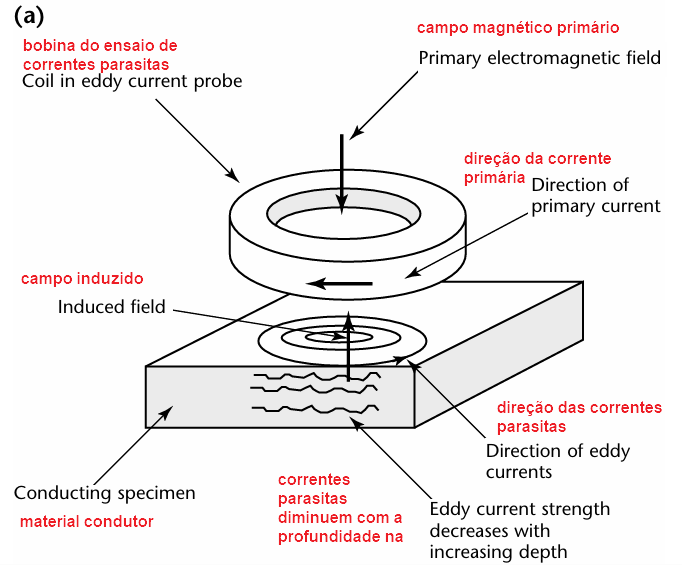
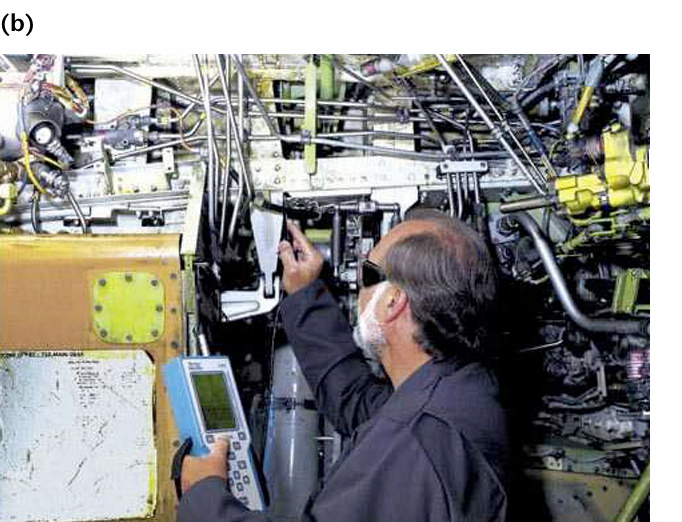
FIGURA 3. Ensaio Eletromagnético
(a) características do ensaio por correntes parasitas
(b) detecção de descontinuidades no campo
1.7.1 Ensaio Visual
Princípios.
O
ensaio
visual
(Fig. 4) é o observação de um objeto de teste, seja diretamente com os
olhos ou indiretamente usando ópticos instrumentos, por um inspetor
para avaliar a presença de anomalias na superfície e a conformidade do
objeto com a especificação. O ensaio visual deve ser o primeiro método
de ensaio não destrutivo aplicado a um item. A sequência de ensaio é
limpar, forneçer iluminação adequada e observar. Um pré-requisito
necessário para ensaios visuais competentes de um objeto são
conhecimento dos processos de fabricação pela qual foi criado, de sua
aplicação em
serviço e de seus potenciais modos de falha, além de experiência
relacionada a esse objeto na indústria.
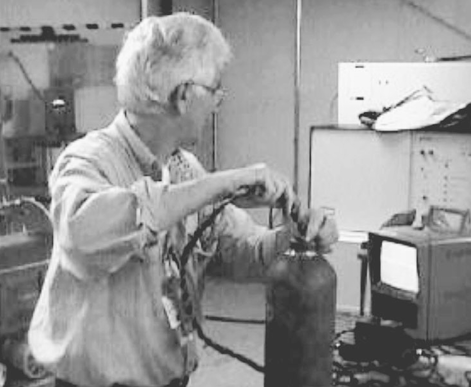
FIGURA 4. Ensaio Visual empregando Boroscópio para observar o interior
de um cilíndro.
Aplicações.
Ensaios visuais
fornecem um meio de detectar e examinar uma variedade de
descontinuidades superficiais. É o método mais amplamente utilizado
para detectar e examinando descontinuidades superficiais associadas a
vários mecanismos de falhas estruturais. Mesmo quando outros ensaios
não
destrutivos são realizados, os ensaios visuais frequentemente fornecem
um suplemento informativo útil. Quando o processo de ensaio por
correntes parasitas e aplicado a tubulação de pequeno diâmetro
(trocadores de calor), por exemplo, ensaio visual é
frequentemente realizado para verificar e examinar de mais de perto a condição
da superfície.
As seguintes descontinuidades podem ser detectadas
por um simples ensaio visual: descontinuidades superficiais, trincas,
desalinhamentos, empenamentos, corrosões, desgastes e danos físicos.
1.7.2 Ensaio de Líquidos Penetrantes
Princípios.
O
ensaio por líquidos penetrantes (Fig. 5)
revela descontinuitas com abertura para a superfície de materiais
porosos sólidos.
Indicações de uma grande variedade de dimensões de descontinuidades
podem ser detectadas independentemente da configuração da peça e da
orientação das descontinuidades. Líquidos penetrantes penetram no
interior de fissuras superficiais mínimas pela ação capilar. As
aberturas de interesse podem ser muito pequenas, frequentemente
invisíveis a vista desarmada.
A habilidade de um certo líquido fluir pela superfície e penetrar nas
fissuras depende principalmente dos segtuintes fatores: limpeza da
superfície, tensão superficial do líquido, configuração da fissura,
ângulo de contato do líquido com relação a superfície, habilidade de
umidificação da superfície pelo líquido (molhabilidade), limpeza do
interior da fissura, e dimensão da abertura da fissura na superfície.
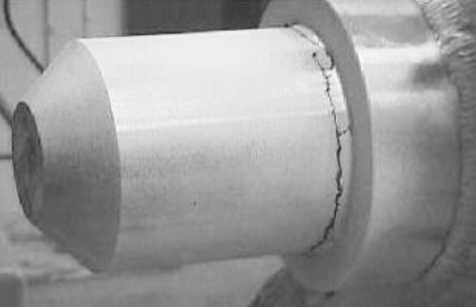
FIGURA 5. Indicação de Trinca com Líquidos Penetrantes.
Aplicações.
Os
principais
usos industriais de ensaios de líquidos penetrantes incluem ensaios
pós-fabricação, ensaios de recepção, ensaios em processo e controle de
qualidade, ensaios de manutenção e de revisão pós-transporte das
indústrias de fabricação,
dentro da planta na manutenção de máquinas e nos ensaio de componentes
grandes. A seguir estão algumass das descontinuidades tipicamente
detectadas: descontinuidades superfícial, costuras, fissuras, dobras,
porosidades e caminhos de vazamento.
1.7.3 Ensaio de Partículas Magnéticas
Principios.
Ensaios
de partículas magnéticas (Fig. 6) é um método de localização de
descontinuidades superficiais e subsuperficiais em materiais
ferromagnéticos. Depende do fato de que quando o material ou parte sob
teste é magnetizado, descontinuidades que existem em uma direção
geralmente transversal a direção do campo magnético causará um campo
de fuga a ser formado acima da superfície da peça. A presença
desse campo de fuga e, portanto, a presença da descontinuidade
é detectada com partículas ferromagnéticas finas aplicadas sobre a
superfície, com algumas das partículas sendo reunidas e mantidas para
formar um esboço da forma da descontinuidade. Isso geralmente indica
sua
localização, tamanho, forma e extensão. Partículas magnéticas são
aplicadas sobre uma superfície como partículas secas (aspersão no ar)
ou úmidas
(partículas em um veículo líquido, como a água, ou óleo).
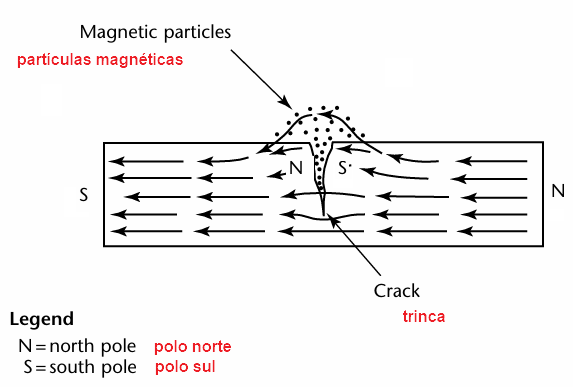
FIGURA 6. No ensaio de partículas magnéticas, as partículas se acumulam
"alinhadas" com o vazamento do campo mangético devido a presença da
descontinuidade.
Aplicações.
Os
principais
usos industriais do ensaio de partículas magnéticas incluem: peça no
estado final; material no recebimento; durante o andamento da
fabricação; para controle de qualidade final; para reparos; nas
indústrias de transporte; para manutenção de
equipamentos e máquinas; e para ensaios de componentes grandes. Algumas
das descontinuidades normalmente detectadas são descontinuidades
superficiais, cordões, fissuras e dobras.
1.7.4 Ensaio Radiográfico
Princípios.
Ensaios
radiográficos (Fig. 7) tem como base na absorção diferencial de
radiação
penetrante — ou radiação eletromagnética de curto comprimento de onda
ou particuladas (raios X, raios gama e raios de
nêutrons) — pela peça ou objeto que está sendo ensaiado. Diferentes
partes de um objeto absorvem diferentes quantidades de radiação
penetrante por causa das diferenças de densidade e variações na
espessura da peça ou diferenças nas características de absorção causada
por variação na composição química ou estrutural. Estes variações na
absorção da radiação
penetrante pode ser monitorada detectando a radiação não absorvida que
passa pelo objeto. O monitoramento pode ser de diferentes formas.
A forma tradicional é por meio de filme
sensívela
a radiação. Sensores
radioscópicos fornecem imagens digitais. Radiografia computadorizada
dos raios-X (Tomografia) também
é uma técnica radiográfica.
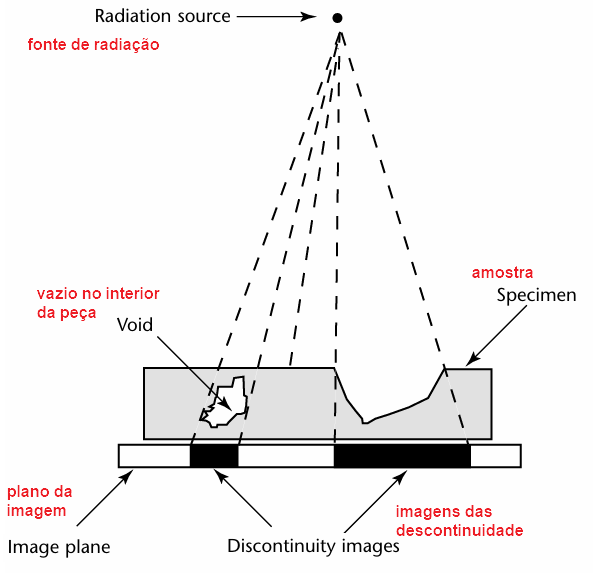
FIGURA7. Esquema do Ensaio Radiográfico.
Aplicações.
O
principal uso industrial do ensaio radiográfico envolve o teste de
peças fundidas e soldadas, particularmente ondem há uma necesidade
crítica de garantia dr inexistência de descontinuidades internas. Por
exemplo a radiografia é sempre especificada para fundidos de parede
espessa e soldas de sistemas de geração de energia a vapor (componentes
de caldeiras e turbinas e acessórios). Radiografia pode também ser
usadas em produtos forjados e componentes mecânicos, embora no caso de
componentes mecânicos a radiografia seja limitada pelo posicionamento e
orientação dos componentes. Descontinuidades tipicamente detectadas e
situação de integridade da peça incluem: inclusões, falta de fusão,
trincas, corrosão, porosidade, vazamentos, ausencia de componentes, ou
presença de sujeiras.
1.7.5 Ensaio Ultrassônico
Princípios.
O
ensaio ultrassônico (Fig. 8) é um método não destrutivo no qual feixes
de ondas sonoras com frequência alta demais para ser ouvido pelos seres
humanos são introduzidos
em materiais para o detecção de descontinuidades
superfíciais e internas no material. Essas ondas acústicas
atravessam o
material com alguma perda de energia associada (atenuação) e são
refletidas em interfaces. Os ecos são então analisados para definir a
presença e os locais de descontinuidades.
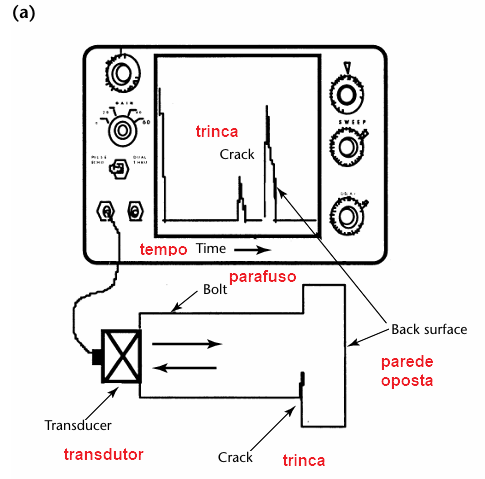
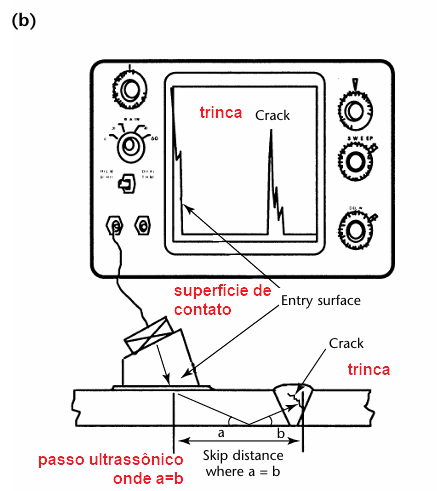
FIGURA 8. Esquema do enaio ultrassônico:
(a) técnica com onda longitudinal
(b) técnica com onda transversal
Aplicações.
Ensaio
ultrassônico de metais é amplamente utilizado, principalmente para o
detecção de descontinuidades. Esse método pode ser usado para detectar descontinuidades
no
interior da maioria dos metais
e ligas de engenharia.
Peças produzidas por soldagem, brasagem, e adesivos também pode
ser examinado por ultrassom. Técnicas em linha foram desenvolvidas para
monitoramento e classificação de materiais como aceitável, recuperável
ou sucateada para o controle de processos. Outras aplicações incluem
ensaios de tubulação e vasos pressurizados, embarcações, sistemas
nucleares, veículos
motorizados, maquinário, estruturas, linhas de rodagem ferroviária,
pontes e medição
de espessura
.
1.7.6 Teste de Vazamento
Princípios.
O
teste de vazamento
está relacionado com o fluxo de líquidos ou gases evacuado de
componentes
pressurizado.
Os princípios do teste de vazamento envolvem a
física dos fluidos (líquidos ou gases) fluindo através de uma barreira
onde um ação da
pressão
diferencial ou capilar existe. Fluidos (líquidos
ou gás) vazando
podem propagar-se a partir de dentro de um vaso ou
montagem para o exterior, ou vice-versa, como um resultado de uma
diferença de pressão entre as duas regiões ou como resultado de
permeação através de uma barreira. O teste de vazamento
abrange procedimentos que se enquadram nestas funções básicas: localização
do vazamento,
medição de vazamento e monitoramento de
vazamentos. Existem vários métodos subsidiários de teste de vazamento,
envolvendo detecção de gás traçador (Fig. 9), medição de variação de
pressão, observação da formação de bolhas e outros meios.
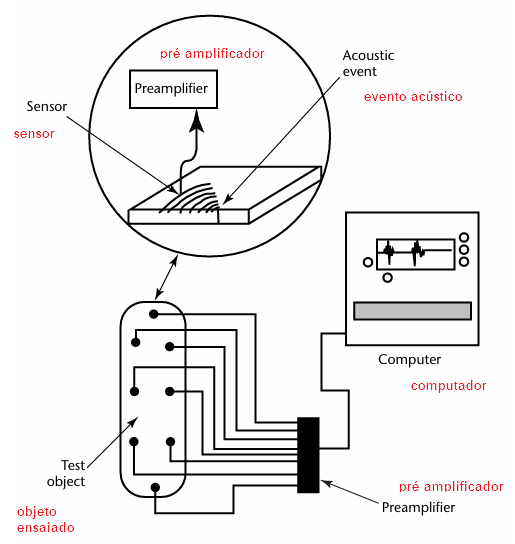
FIGURA 9. Medida do vazamento dinâmico pelo bombeamento à vácuo.
(a) modo com sistema pressurizado para teste de vazamento de pequenos
componentes;
(b) modo com envelope pressurizado para o ensaio de sistemas de grande
volume.
Aplicações.
Como
outras formas de ensaios não destrutivos os testes de vazamento têm um
impacto na segurança e desempenho de um produto. Testes de vazamento
confiáveis diminuem custos reduzindo o número de reformulações
de produtos, garantia em reparos e afirmações
de responsabilidade.
As razões
mais comuns para realizar um teste de vazamento são para evitar a perda
de
materiais ou de energia caras; para prevenir a contaminação do meio
ambiente; para garantir a confiabilidade
de componente
ou do sistema; e
para evitar o potencial para explosão ou incêndio.
1.7.7 Ensaio de Emissão Acústica
Princípios.
As
emissões acústicas são ondas mecânicas produzidas por súbitos movimento
em materiais sob tensão. As fontes clássicas de emissão acústica são
deformação relacionada à descontinuidade; processos como crescimento de
trincas e deformação
plástica.
Modificações repentinas na fonte produz
uma onda de tensão que irradia para dentro da estrutura e pode ser
detectada por um
sensor piezoelétrico sensível. Como o aumento da tensão aplicada,
as emissões são geradas. Os sinais de um ou mais sensores são
amplificados e medidos para produzir dados para exibição e
interpretação.
A
fonte da energia de emissão acústica é o campo de tensão elástica no
material. Sem tensões não há emissão. Portanto, um ensaio de emissão
acústica (Fig. 10) geralmente é realizada durante um carregamento
controlado
da estrutura. Isso pode ser realizado: duante uma teste de prova (teste
hidrostático, por exemplo) antes do serviço; ou a
variação de carga controlada enquanto o a estrutura está em serviço;
uma fadiga, pressão ou ensaio de fluência; ou um programa de
carregamento complexo. Muitas vezes, uma estrutura vai ser carregado
hidrostaticamente de qualquer forma durante o serviço e o ensaio de
emissão acústica é usado porque oferece uma valiosa informação
adicional sobre o desempenho
esperado
da estrutura sob carga. Outras
vezes, ensaios de emissão acústica são selecionado por razões
econômicas
ou de segurança e um procedimento especial de carregamento é organizado
para atender às necessidades do ensaio de emissão acústica.
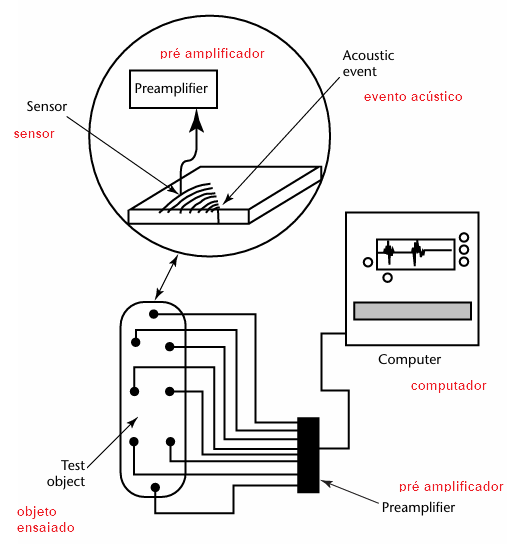
FIGURA 10. Arranjo do Ensaio de Emissão Acústica com oito sensores que
permitem ao computador calcular a locação de propragação da trinca.
Aplicações.
Emissão
acústica é um fenômenos natural ocorrendo em uma ampla variedade de
materiais, estruturas e processos. Os eventos de maior escala observado
em ensaios de emissão acústica são sísmicas e os menores são pequenas
discordâncias da estrutura cristalina em movimento nos metais sob
tensão. O aparelho utilizado é altamente
sensível a qualquer tipo de movimento na estrutura cristalina dos
materiais e operam em frequências tipicamente de 20 a 1200 kHz. O
aparelho pode detectar não
apenas trincas em crescimento e deformações do material, mas também
processos
como solidificação, atrito, impacto, fluxo e transformações de fase.
Portanto, o ensaio de emissão acústica também é usado para
monitoramento
de processos de soldagem; detecção de contato e desgaste da ferramenta
durante usinagem automática; detecção de desgaste e perda de
lubrificação
em equipamentos
rotativos; detectando peças soltas e partículas soltas;
Detecção e monitoramento vazamentos, cavitação e fluxo; Testes
hidrostáticos de pré-serviço; monitoramento de serviço
de solda;
e testes de
vazamento.
1.7.8 Ensaio Infravermelho e Térmico
Princípios.
Condução
e convecção são os principais mecanismos de transmissão de calor
em um objeto ou sistema. No entanto, a radiação eletromagnética é
emitida por um corpo aquecido quando os elétrons desse corpo mudam para
um estado de menor energia. O ensaio térmico envolve a medição ou
mapeamento da temperatura na superfície quando o calor flui
de, para ou através de um objeto de ensaiado.
Temperaturas
diferenciais em uma superfície, ou mudanças em temperatura superficial
com o tempo, estão relacionados para padrões de fluxo de calor e podem
ser usada para detectar descontinuidades ou para determinar as
características de transferência de calor de um objeto. Por exemplo,
durante a operação de um disjuntor elétrico, um ponto quente detectado
em uma terminação elétrica pode ser causada por uma conexão solta ou
corroída (Fig. 11). A resistência ao fluxo elétrico através da conexão
produz um aumento da temperatura superficial do conexão.
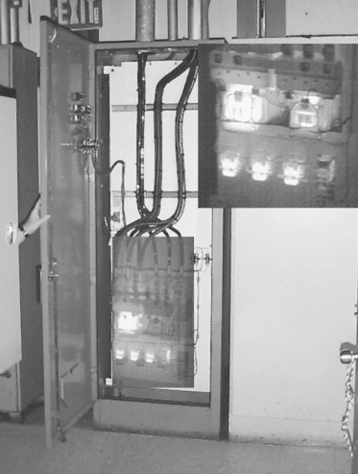
FIGURA 11. Ensaio termográfico com radiação infravermelha de
interruptores de emergência de gerador diesel. Pontos quentes aparecem
brilhosos no termograma.
Aplicações.
Existem
duas catagorias básicas de aplicações do ensaio infravermelho e
térmico: elétrica e mecânica. As aplicações específicas dentro dessas
duas categorias são numerosas. Aplicações
elétricas
incluem: linhas de transmissão e de distribuição, transformadores,
desconectadores,
interruptores, fusíveis, relés, disjuntores, enrolamentos de motores,
bancos de capacitores, bandejas de cabos, contatos elétricos de ônibus
elétricos e outros
componentes e subsistemas. Aplicações
mecânicas
incluem : isolamento (em
caldeiras, fornos, fornos, tubulações, dutos, vasos), caminhões e
sistemas refrigerados, vagões-tanque, atrito na
rotação equipamentos (rolamentos, acoplamentos, engrenagens), caixas de
câmbio, esteiras transportadoras, bombas, compressores e outros
componentes e fluxo de fluidos (linhas de vapor; trocadores de calor;
níveis de fluido do tanque; reações exotérmicas; aquecimento,
ventilação e sistemas de ar-condicionado; vazamentos acima e abaixo do
solo; resfriamento e aquecimento; obstruções em tubos; avaliação
ambiental de descarga térmica; vazamento de ar em caldeiras ou fornos;
vazamento no sistema de condensadores ou turbinas; bombas;
compressores; e outros sistemas aplicações.
1.7.9 Outros
Métodos
Existem
muitos outros métodos de ensaios não destrutivos, incluindo métodos
óticos
como a holografia, sherografia e imagem moiré; Métodos
de identificação de material
como
teste por ponto químico, testes de faísca e
espectroscopia; extensometria; e métodos acústicos como análise de
vibração.
2 GERENCIAMENTO DOS ENSAIOS ELETROMAGNÉTICOS
2.1
Seleção do Ensaio Eletromagnético
Os
ensaios eletromagnéticos são métodos importantes e amplamente
utilizado dentro da variedade de ensaios ensaios não
destrutivos de
materiais .
Os ensaios eletromagnéticos incluem vários métodos
subsidiários,
às vezes chamados submétodos ou técnicas: Ensaio de Correntes Parasitas
(Eddy Current); Ensaio de Campo Remoto (Remote Field); Ensaio de
Vazamento de Campo de Fuga (Flux Leakage); ACFM (Alternating Current
Field Measurement); Ensaio de Microondas (Microwave). Desses vários
submétodos, o ensaio convencional de correntes parasitas é o mais
amplamente utilizado. O ensaio de Partículas Magnéticas é também um
ensaio eletromagnético que a indústria considera como uma método
eletromagnético separado, ligado ao vazamento de campo de fuga.
Aplicações
do ensaio de correntes parasitas nas indústrias são numerosas e
amplamente difundidas. O número total de medições de ensaios feitas
anualmente por esse ensaio não destrutivo excede o de
todos os outros métodos eletromagnéticos combinados. Ensaios por
correntes parasitas é normalmente usado para as seguintes aplicações:
- Medição sem
contato da espessura de folhas metálicas, lâninas, placas, espessura de
tubos pequenos e peças usinadas a partir de um lado apenas;
- Medição
da espessura de revestimentos sobre materiais base onde o revestimento
e material base possuem propriedades elétrica e/ou magnética
significativamente diferentes;
- Identificação
ou separação de materiais por composição ou microestrutura;
- Detectando
descontinuidades no materiais que estejam em planos transversais ao
fluxo das correntes, como trincas, uniões, cordões, marcas de
usinagem, perfurações e delaminações nas bordas de corte de
lâminas ou placas;
- Identificação e
controle de tratamento térmicos e avaliação de danos causados
por chama em estruturas metálicas;
- Determinação
das profundidades de cementação de aços e algumas ligas ferrosas;
- Localizar
objetos metálicos ocultos, como como tubulações enterradas, bombas
enterradas; fontes de minério, objetos metálicos acidentalmente
embalado em containers de alimentos;
- Temporização
ou localização dos movimentos de partes ocultas dos mecanismos,
contagem objetos metálicos em linhas de transportadores ou detectar
mísseis metálicos em voo; e
- Medição
dimensional precisa de peças metálicas simétricas, usinadas,
esmerilhadas polidas, como. rolamentos e pistas de rolamento, pequenos
componentes
de mecanismoe e outros.
2.1.1 Vantagens
do Ensaio Eletromagnetico
Técnicas
modernas de correntes parasitas e eletromagnéticas oferecem
meios de baixo custo para ensaios de alta velocidade e em larga escala
de materiais metálicos como os usados na área de energia nuclear,
aeroespacial,
marítima, alta pressão, sistemas de engenharia que trabalham com altas
temperatura e altas
velocidades onde falhas prematuras podem representar
desastres econômicos ou o colocar em risco a vida humana. Métodos
com alta disponibilidade para o ensaio de automóveis, motores, peças de
máquinas e produtos de consumo há muito tempo já são reconhecidos.
Como
outros métodos não destrutivos, ensaio de correntes parasitas
permitem medições de propriedades, dimensões e detecção de
descontinuidades nos materiais. Em geral, ensaios eletromagnéticos
fornecem quase
que medições instantâneas. A velocidade de execução e de análise de
sinais do
ensaio permitem que sejam executadas em tempo real.
Consequentemente, o
método pode ser usado em linhas de produção para ensaiar rapidamente
barras, tubos, chapas, placas, soldas e outras partes
simétricas. Essas partes passam pela bobina de ensaio ou são
escaneados por sondas de ensaio móveis. O automação do ensaio de
correntes parasitas e a avaliação de dados de ensaio permite testes em
massa de peças semelhantes em altas velocidades, com economias não
alcançáveis por outros ensaios não destrutivos comumente utilizados. Os
resultados podem ser otimizados pela automação dos sistemas de ensaio,
para separação por composição química ou característica microestrutural
de peças ensaiadas, para controle dos processos de
fabricação e para documentação automática do controle de processos e
controle estatístico da qualidade.
Aparelhos
portáteis do ensaio de correntes parasitas
fornecem meios rápidos
e simples
para: (1) ensaios manuais de qualidade
por operadores individuais, e; (2) sistemas de ensaio mecanizados para
classificação mista de lotes de materiais, para detectar a deterioração
de
materiais e equipamentos em serviço e para verificar a qualidade do
processo de fabricação.
2.1.2 Limitações do Ensaio de Correntes Parasitas
As
limitações dos ensaio de Corrente Parasita são
um consequência direta da natureza específica do ensaio e da resposta
de
materiais eletricamente condutores para o campo magnético externo,
variando no
tempo, usado para excitar o fluxo de corrente parasita no material
ensaiado. Em
geral, ensaios de correntes parasitas são aplicáveis apenas a
materiais ensaiados com condutividade elétrica significativa, como
metais, ligas e compósitos com camadas condutoras ou fibras de reforço.
No entanto,
eles podem ser usados para medir espessuras de camadas não condutoras
aplicada a superfície de metais condutores pelo efeito de acoplamento
eletromagnético ("lift-off"=efeito no ensaio da distância sonda-peça)
no qual o revestimento separa a sonda de ensaio do material condutor
pela espessura do revestimento ou folha não condutora sobre o material.
Ensaios
de correntes parasitas fornecem a máximo sensibilidade de ensaio na
superfície e nas camadas proximas a superficie do material de ensaio
adjacentes a fonte de excitação. Em alguns casos pode ser difícil
ou impossível penetrar até o centro da amostras espessss por causa do
efeito da pele e da atenuação do campo eletromagnético nas maiores
profundidades abaixo da superfície. Ensaios de correntes parasitas
tendem a ser ser insensível a descontinuidades laminares, que são
paralelas às correntes parasitas induzidas. Por outro lado o ensaio de
correntes parasitas tendem a ser mais sensíveis a descontinuidades que
sejam transversais ao fluxo
das correntes parasitas dentro dos materiais ensaiados, onde estas
descontinuidades interrompem, aumentam ou distorçam os caminhos do
fluxo
de corrente.
2.2 Gestão
dos Ensaios Eletromagnéticos
A
execução
de ensaios eletromagnéticos exigirá
a consideração de muitos itens antes que possa produzir os
resultados desejados. Seis perguntas básicas precisam ser respondidas
antes de um direcionamento positivo do ensaio. Essas perguntas são as
seguintes:
- Existem requisitos regulatórios em vigor que exijam
determinadas características da execução do ensaio?
- Qual é a magnitude do programa de ensaio que vai trazer
os resultados desejados?
- Quais disposições devem ser feitas para segurança do
pessoal e para conformidade com regulamentações ambientais?
- Qual é a data
limite para que o programa seja totalmente implementado?
- Existe benefício de custo dos ensaios eletromagnéticos?
- Quais são os
recursos disponíveis em pessoal e dinheiro?
Uma
vez que essas perguntas sejam respondidas, então recomendações podem
ser feitas para determinar o melhor caminho a seguir. Três caminhos
principais são:
(1) empresas de serviços; (2) consultores, e; (3)
programas internos.
Embora esses sejam os caminhos principais, Alguns
programas podem, rotineiramente ou como necessário, requer pessoal de
apoio de um combinação de dois ou mais dessas fontes. Antes que uma
decisão final seja tomada, vantagens e desvantagens de cada um
devem ser analisadas para definir que
caminho deve ser considerado. Portanto, os detalhes a seguir devem
ser considerados.
2.2.1 Empresas de Serviços
- Que identificarão os componentes da instalação a
ser examinados?
- O contrato será por tempo e materiais ou possuirá um
escopo específico de trabalho?
- Se um contrato for por tempo e materiais ,quem
monitorará
o tempo e materiais utilizados?
- Se for
necessário um escopo de trabalho, quem é tecnicamente qualificado para
desenvolver e aprovar esse escopo?
- Quais
produtos ou documentos (relatórios de ensaios, projetos, recomendações,
normas, análise de causa raiz e outros) serão fornecidos depois que os
ensaios
forem concluídos?
- Quem
irá avaliar e aceitar o produto (relatórios de ensaios,
projetos,recomendações, análise da causa raiz e outros) dentro da
companhia contratada para o serviço?
- Os
trabalhadores da empresa de serviço possuem qualificações e
certificações exigidas por contrato e pelas regulamentações aplicáveis?
- Os
trabalhadores da empresa de serviço necessitam de um treinamento
específico para
o local (confinado, entrada espacial, segurança elétrica, contato
com materiais perigoso e outros) ou autorização para entrar e
trabalhar na
instalação?
- A empresa de
serviços detém alguma responsabilidade pelos resultados dos ensaios?
2.2.2 Consultores
- O contrato será
por tempo e materiais ou têm um escopo específico de trabalho?
- Se for necessário um escopo de trabalho, quem é
tecnicamente qualificado para desenvolver e aprovar?
- Que identificará as qualificações necessárias do
consultor?
- O
objetivo do consultor é desenvolver ou atualizar um programa ou é para
supervisionar e avaliar o desempenho de um programa existente?
- O consultor terá responsabilidade pela supervisão dos
testes realizados?
- Quais produtos
(análise, recomendações, causa raiz e outros) são oferecidos
após os ensaios estarem concluídos?
- Que
avaliará o desempenho dos consultores (relatórios de ensaios,
tendências, recomendações, análise da causa raiz e outras funções)
dentro da empresa patrocinadora?
- O consultor possui qualificações e certificações
exigidas no contrato e pelos regulamentos aplicáveis ?
- O
consultor precisa de treinamento local
específico (entrada em espaços
confinados, segurança elétrica, materiais perigosos e outros) ou
autorização para entrar e trabalhar na instalação?
- O consultor
manterá posteriormente alguma responsabilidade pelos resultados dos
ensaios?
2.2.3 Programas Internos
- Quem determinará o escopo do programa, como quais
técnicas serão usadas (correntes parasitas, vazamento de fluxo e outros)?
- Quais são os requisitos regulatórios (códigos e
padrões) associados a desenvolvimento dos programas e implementação?
- Quem desenvolverá uma análise do custo-benefício para o
programa?
- Quanto tempo e recursos disponíveis são necessários
para
estabelecer o programa?
- Quais são os requisitos de qualificações
(educação,
treinamento, experiência e outros) para o pessoal?
- O pessoal do programa exige treinamento adicional
(segurança, entrada em espaço confinado ou outras) ou
qualificações?
- Especialistas no assunto são obrigados a fornecer
orientação técnica durante o desenvolvimento de pessoal?
- São necessários procedimentos
para realizar trabalho
na instalação?
- Se forem necessários procedimentos, quem vai
desenvolvê-los, revisá-los e aprová-los?
- Quem vai
determinar as especificações técnica para equipamentos de ensaio?
2.3 Procedimentos de Ensaios Eletromagnéticos
A
condução das operações da instalação (internamente ou contratado)
deve ser realizada de acordo com instruções
específicas de um
especialista. É tipicamente realizado instruções
por
escrito na forma
de um procedimento técnico.
Em muitos casos, códigos e especificações exigirão procedimento
técnico
para realizar os
ensaios obrigatórios.
O
processo do procedimento pode possuir muitos formulários, incluindo
instruções gerais que abordem apenas os aspectos principais das
técnicas de ensaio. Ou um procedimento pode ser escrito como um
processo passo a
passo que exige a assinatura de um supervisor após cada
passo. A seguir está um exemplo do formato
típico
para um procedimento
industrial.
- O propósito identifica a intenção do procedimento.
- O escopo estabelece a cobertura de itens, ensaios e
técnicas abordados e não coberto pelo procedimento.
- As
referências são documentos específicos de quais critérios são extraídos
ou documentos satisfeitos pela implementação do procedimento.
- Definições são
necessárias para termos e abreviações que não são de conhecimento
comuns para pessoas que leem o procedimento.
- Declarações
sobre necessidades de pessoal para atender a requisitos específicos e
para
realizar tarefas de acordo com o procedimento — questões como
qualificação de pessoal, certificação, autorização de
acesso e outros.
- Características do aparelho, requisitos de calibração e devem ser
especificados números/modelos de aparelhos qualificados.
- O procedimento de ensaio deve fornece uma sequência de
processos
a serem usados para conduzir as atividades do ensaio.
- Critérios de aceitação estabelecem características
dos
componentes que identificarão o itens adequados para manutenção. .
- Relatórios
(registros) fornecem os meios para documentar técnicas específicas de
ensaio, Aparelhos utilizados, pessoal atuando na atividade, data de
realização e resultados do ensaio.
- Os
anexos podem incluir (se necessário) itens como formulários de
relatório, instrumentos, formulários de calibração, matriz de aparelhos
qualificados, cronogramas e outros.
Uma
vez concluído o procedimento, normalmente um especialista no assunto
avalia. Se o procedimento for julgado como atendendo aos requisitos
identificados, o especialista aprova para uso. Alguns códigos e normas
também exigem que o procedimento seja qualificado — isto é,
demonstrado sua satisfação de um representante de um órgão regulador ou
autoridade
jurisdicional
.
2.4 Especificações do Ensaio Eletromagnético (R04)
Uma
especificação do ensaio eletromagnético deve antecipar um número de
questões que surgem durante a sua execução.
2.4.1 Meios
de Indução e Detecção dos Ensaio Eletromagnéticos Não Destrutivo no
Campo
Métodos
magnéticos
utilizam campos
eletromagnéticos estáticos
ou variáveis no tempo como meio de inspeção:
- (1)
para explorar as propriedades
de materiais ensaiados;
- (2)
localizar descontinuidades ou;
- (3)
detectar
variações na geometria e dimensões dos materiais ensaiados.
A instensidade, atrasos temporais (ângulos de fase) e os padrões de
fluxo
dos campos resultantes são detectados usando sondas como bobinas
sensoras ou detectores de campo magnético de estado sólido (como
dispositivos de efeito Hall).
2.4.2 Frequências Utilizadas no Ensaio de Correntes Parasitas
Um
único sistema de ensaio eletromagnético pode ser usado para muitas
medições diferentes por meio da seleção da frequência de ensaio. Essas
frequências são as da corrente de excitação aplicada às bobinas das
sondas de ensaio eletromagnético. A frequência é medida em hertz (Hz),
onde 1 Hz = 1 ciclo por segundo. A maioria dos ensaios eletromagnéticos
industriais são realizados na faixa de frequência entre 5 Hz e 10 MHz.
A
maioria dos tipos de aparelhos do ensaio eletromagnético possui
osciladores variadores
de
frequência ou possui passos de
frequência fixos. Portanto, frequências
de ensaio
apropriadas podem ser
facilmente selecionadas pelo para atender a requisitos especiais do
ensaio. Frequências de
excitação baixas
são usadas para penetrar mais
profundamente em um material condutor material. Frequências de ensaio
altas
podem ser usadas para exame seletivo de regiões superficiais, ensaios
de materiais finos e para ensaios de materiais que possuem baixa
condutividades elétricas.
2.4.3 Interpretação
A
interpretação pode ser complexa, especialmente antes que um
procedimento seja estabelecido. O intérprete deve ter conhecimento de o
seguinte:
- (1)
a física subjacente ao processo;
- (2)
técnicas e equipamentos
usado para obter os dados e sua apresentação;
- (3)
detalhes sobre o item em
análise (configuração, características do material, processo de
fabricação, descontinuidades potenciais
e
condições
do serviço
pretendido)
e;
- (4)
critérios de aceitação.
2.5 Garantia
da Confiabilidade dos Resultados
do Ensaio
Quando
um ensaio é realizado, existem quatro possíveis desfechos:
- (1)
uma descontinuidade
rejeitável
pode ser encontrada quando está presente;
- (2)
uma descontinuidade rejeitável pode não ser detectada mesmo
quando estiver presente;
- (3)
uma descontinuidade rejeitável pode ser
indicada quando não há nenhuma presente e;
- (4)
nenhuma descontinuidade
rejeitável é encontrada quando nenhuma está presente.
Um
processo de ensaio confiável e um inspetor qualificado deve encontrar
descontinuidades preocupantes sem ocorreram descontinuidades perdidas
(sem
erros como no caso 2 acima) e sem indicaçõess falsas (caso 3 acima).
Para
alcançar esse objetivo, a probabilidade de encontrar uma
descontinuidade rejeitável deve ser alta e o inspetor deve ser ambos
proficiente no processo de ensaio e motivado para apresentar eficiência
máxima. Um inspetor imprudente pode aceitar partes que
contêm descontinuidades, com resultado de possível falha de peça em
serviço. Um inspetor conservador pode rejeitar peças que contêm
descontinuidades rejeitáveis mas o inspetor também pode rejeitar partes
que não contem descontinuidades rejeitáveis, com o resultado
de sucata e/ou
reparos desnecessários
. Nenhum dos cenários é desejável.
2.6 Normas dos Ensaios Eletromagnéticos
Tradicionalmente,
o propósito das especificações e normas é definir o
requisitos que bens ou serviços devem atender. Como tal, a
intenção é que seja incorporado em contratos para que ambos o comprador
e o
fornecedor têm uma descrição definida do que o comprador pretende
receber e o que o fornecedor deverá fornecer.As
normas
passam por um processo de revisão por pares na indústria e
pode ser invocado com força de lei pelo contrato ou por regulamentação
governamental. Em contraste, uma especificação representa as instruções
do
empregador para os funcionários e é específica para um
contrato ou local de trabalho. Especificações podem formar a base de
normas por meio de um processo de revisão. Normas e especificações
existem em três áreas básicas: equipamentos, processos e pessoal.
- Normas para
equipamentos
incluem critérios que indicam sondas, descontinuidades artificiais e
resultados de ensaios. Padrões de referência são peças de trabalho que
contêm descontinuidades artificiais para calibração e verificação de
procedimentos de ensaio;
- A ASTM
e outras organizações publicam padrões para técnicas de
ensaio. Algumas outras normas são para garantia de
qualidade de procedimentos
e são específicas de um método de ensaio ou até mesmo para ensaios em
geral. As tabelas 3 e 4 listam algumas normas usadas em ensaios
eletromagnéticos. Nos Estados Unidos o Departamento de Defesa
substituiu a maioria das especificações e normasmilitares pelas
respectivos documentos com consenso da indústria. Uma fonte para
conhecimento de normas de ensaio não destrutivo é o Livro Anual de
Normas da ASTM;
- Qualificação
e certificação do Pessoal que executa o ensaio é discutido abaixo com
referência
específica às recomendações da Prática Recomendada da ASNT
SNT-TC-1A. (R06)
TABLE 3. Normas
de ensaio eletromagnético publicadas pela ASTM Internacional.
Miscelânea
- E 543, Standard Practice for Agencies Performing
Nondestructive Testing
- E 1004, Standard Practice for Determining Electrical
Conductivity Using the Electromagnetic (Eddy-Current) Method
- E 1312, Standard Practice for Electromagnetic
(Eddy-Current) Examination of Ferromagnetic Cylindrical Bar Product
above the Curie Temperature
- E 1316, Standard Terminology for Nondestructive
Examinations: Section C, Electromagnetic Testing
- E1571, Standard Practice for Electromagnetic
Examination of Ferromagnetic Steel Wire Rope
- E 1606, Standard Practice for Electromagnetic
(Eddy-Current) Examination of Copper Redraw Rod for Electrical Purposes
- E 1629, Standard Practice for Determining the
Impedance of Absolute Eddy Current Probes
- F 673, Standard Test Methods for Measuring
Resistivity of Semiconductor Slices or Sheet Resistance of
Semiconductor Films with a Noncontact
Eddy-Current Gage
Espessura de Revestimentos
- B 244, Standard Test Method for Measurement of
Thickness of Anodic Coatings on Aluminum and of Other Nonconductive
Coatings on Nonmagnetic
Basis Metals with Eddy-Current Instruments
- B 499, Standard Test Method for Measurement of
Coating Thicknesses by the Magnetic Method: Nonmagnetic Coatings on
Magnetic Basis Metals
- B 659, Standard Guide for Measuring Thickness of
Metallic and Inorganic Coatings
- E 376, Standard Practice for Measuring Coating
Thickness by Magnetic-Field or Eddy-Current (Electromagnetic) Test
Methods
Medidas Geofísicas
- D 4748, Standard Test Method for Determining the
Thickness of Bound Pavement Layers Using Short-Pulse Radar
- D 6429, Standard Guide for Selecting Surface
Geophysical Methods
- D 6432, Standard Guide for Using the Surface Ground
Penetrating Radar Method for Subsurface Investigation
- D 6565, Standard Test Method for Determination of
Water (Moisture) Content of Soil by the Time-Domain Reflectometry (TDR)
Method
- D 6639, Standard Guide for Using the Frequency Domain
Electromagnetic Method for Subsurface Investigations
- D 6726, Standard Guide for Conducting Borehole
Geophysical Logging — Electromagnetic Induction
Identificação de Materiais
- E 566, Standard Practice for Electromagnetic
(Eddy-Current) Sorting of Ferrous Metals
- E 703, Standard Practice for Electromagnetic
(Eddy-Current) Sorting of Non-Ferrous Metals
- E 1476, Standard Guide for Metals Identification,
Grade Verification, and Sorting
Produtos Tubulares
- A 135, Standard Specification for
Electric-Resistance-Welded Steel Pipe
- E 215, Standard Practice for Standardizing Equipment
for Electromagnetic Examination of Seamless Aluminum-Alloy Tube
- E 243, Standard Practice for Electromagnetic
(Eddy-Current) Examination of Copper-Alloy Tubes
- E 309, Standard Practice for Eddy-Current Examination
of Steel Tubular Products Using Magnetic Saturation
- E 426, Standard Practice for Electromagnetic
(Eddy-Current) Examination of Seamless and Welded Tubular Products,
Austenitic Stainless Steel and
Similar Alloys
- E 570, Standard Practice for Flux Leakage Examination
of Ferromagnetic Steel Tubular Products
- E 571, Standard Practice for Electromagnetic
(Eddy-Current) Examination of Nickel and Nickel-Alloy Tubular Products
- E 690, Standard Practice for In Situ Electromagnetic
(Eddy-Current) Examination of Nonmagnetic Heat Exchanger Tubes
- E 1033, Standard Practice for Electromagnetic
(Eddy-Current) Examination of Type F — Continuously Welded (CW)
Ferromagnetic Pipe and Tubing
above the Curie temperature
- E 2096, Standard Practice for In Situ Examination of
Ferromagnetic Heat-Exchanger Tubes Using Remote Field Testing
TABLE 4. Alguns
padrões para ensaios eletromagnéticos.
Organização
Emissora - Normas Representativas do Instituto
Nacional
de Normas Americanas e Documentos Relacionados:
1. American National Standards Institute
- ANSI B3.1, Rolling Element Bearings — Aircraft
Engine, Engine Gearbox, and Accessory
Applications — Eddy Current Inspection
2. American Petroleum Institute
- API 510, Pressure Vessel Inspection Code: Maintenance
Inspection, Rating, Repair and Alteration
- API 570, Piping Inspection Code: Inspection, Repair,
Alteration, and Rerating of In-Service Piping
Systems
- API 650, Welded Steel Tanks for Oil Storage
- API 1104, Welding, Pipelines and Related Facilities
3. American Society for Nondestructive Testing
- ASNT Recommended Practice No. SNT-TC-1A
4. American Society of Mechanical Engineers
- ANSI/ASNT CPT 89, ASNT Standard for Qualification and
Certification of Nondestructive Testing
Personnel
- ANSI/ASME B31.1, Power Piping
- ANSI/ASME B31.3, Process Piping
- ASME Boiler and Pressure Vessel Code: Section V —
Power Boilers: Article 8, Eddy Current
Examination of Tubular Products
- ASME Boiler and Pressure Vessel Code: Section XI —
Inservice Inspection of Nuclear Vessels.
- N-553-1, Eddy Current Surface Examination Section XI,
Division 1
- ASME PTC 19-1, Performance Test Codes, Supplement on
Instruction and Apparatus
5. American Welding Society
- AWS D1.1, Structural Welding Code — Steel
6. Canadian General Standards Board
- CAN/CGSB-48.9712, Non-Destructive Testing —
Qualification and Certification of Personnel
- 48.14-M86-CAN/CGSB, Advanced Manual for: Eddy Current
Test Method Amendment No. 1
May 1997 R(1997)
7. Chinese National Standards
- Z8005100, General Rules for Eddy Current Testing
8. Deutsche Institut fiir Normung
- DIN 54141-3, Non-Destructive Testing; Eddy Current
Testing of Pipes and Tubes; Procedure
9. European Association of Aerospace Industries
- AECMA PREN 2002-20, Aerospace Series Test Methods for
Metallic Materials: Part 20: Eddy
Current Testing of Circular Cross-Section Tubes, Edition P 1
10. European Committee for Standardization
- EN 12084, Non-Destructive Testing — Eddy Current
Testing — General Principles and Guidelines
11. International Organization for Standardization
- ISO 9712, Nondestructive Testing — Qualification and
Certification of Personnel
12. Japanese Standards Association
- JIS Z 2314, Test Methods for Performance
Characteristics of Eddy Current Testing Instruments
13. Society of Automotive Engineers
- SAE ARP 891A, Determination of Aluminum Alloy Tempers
through Electrical Conductivity
Measurement (Eddy Current) (R 1988)
- SAE ARP 1926, Cure Monitor, Electrical Methods
- SAE ARP 4402, Eddy Current Inspection of Open
Fastener Holes in Aluminum Aircraft Structure
- SAE ARP 4462, Barkhausen Noise Inspection for
Detecting Grinding Burns
- SAE AS 4787, Eddy Current Inspection of Circular
Holes in Nonferrous Metallic Aircraft Engine
Hardware
- SAE DFT K-89AW, Eddy Current Inspection of Circular
Holes in Nonferrous Metallic
- SAE | 425, Electromagnetic Testing by Eddy Current
Methods, Information Report; March 1991
14. United States Department of Defense
- MIL-P-85585, Probes, Eddy Current, Unshielded, Single
Coil, Absolute
- MIL-STD-1537B, Electrical Conductivity Test for
Verification of Heat Treatment of Aluminum
Alloys, Eddy Current Method
- MIL-STD-2032, Eddy Current Inspection of Heat
Exchanger Tubing on Ships of the United States
Navy
- MIL-STD-2195, Inspection Procedure for Detection and
Measurement of Dealloying Corrosion on
Aluminum Bronze and Nickel-Aluminum Bronze Components
2.7 Qualificação e Certificação de Pessoal
Um
dos aspectos mais críticos do processo
de ensaio é
a qualificação do pessoal de ensaio (inspetores). Ensaios não
destrutivos são às vezes chamados de processo
especial. O termo simplesmente significa que é muito difícil determinar
a adequação de um ensaio apenas observando o processo ou a documentação
gerada em sua conclusão. A qualidade do ensaio depende em grande
parte das habilidades e conhecimento do inspetor.
A
sociedade americana para os ensaios não destrutivos (ASNT) tem sido um
líder mundial na qualificação e certificação de pessoal
para
ensaios não destrutivos por muitos anos. Em 1999, o sociedade americana
para
os ensaios não destrutivos instituíram três grandes programas para a
qualificação e certificação de pesoal em ensaios não destrutivos.
- A Prática
Recomendada Nº
SNT-TC-1A fornece diretrizes para a qualificação e certificação do
pessoal
em ensaios não destrutivos. A prática recomendada identifica os
atributos específicos que devem ser consideradas na qualificação e
certificação do pessoal de ensaios não destrutivos. Ela exige que o
empregador
desenvolva e implemente uma prática escrita (procedimento) que detalha
oprocesso específico e qualquer limitação na qualificação e
certificação de pessoal de ensaios não destrutivos. (R06)
- A Norma para
Qualificação e Certificação de Pessoal de Ensaios
Não Destrutivos ANSI/ASNT
CP-189, se assemelha ao SNT-TC-1A, mas também estabelece
atributos específicos para o qualificação e certificação de Pessoal de
ensaios não destrutivos. No entanto, a norma CP-189 é um consenso
conforme definido pelo InstitutoAmericano Nacional de Normas
(ANSI).
Ele é reconhecido como a norma americana para ensaios não destrutivos.
Não é considerada uma prática recomendada; É uma norma nacional. (RO7)
- O
Programa Central de Certificação da ASNT (ACCP), ao contrário do
SNT-TC-1A e CP-189, é um processo de certificação de terceiros que
identifica qualificação e atributos de certificação para o pessoal
Nível II e Nível III. A Sociedade Americana para
os Ensaios Não Destrutivos certifica que o indivíduo possui as
habilidades
e conhecimento para a aplicação de vários métodos de ensaios não
destrutivos. Ele não remove a responsabilidade pelo determinação final
da qualificação do pessoal pelo empregador. O empregador avalia as
habilidades
e conhecimentos para aplicação de procedimentos da empresa usando
técnicas e equipamentos identificados para ensaios
específicos.(R08)
2.7.1 Seleções da Prática Recomendada Número SNT-TC-1A
Para
dar uma ideia geral do conteúdo desses documentos, os seguintes itens
são especificado na edição de 2001 da Prática Recomendada SNT-TC-1A.
(O texto seguinte foi extraído e adaptado. O texto original está
organizado em formato de esboço e inclui recomendações que não são
específicas para os ensaios eletromagnéticos.)
Escopo.
Essa
prática recomendada tem sido preparada para estabelecer diretrizes para
a qualificação e certificação de pessoal de ensaios não destrutivos
cujo trabalho específico exige conhecimento adequado de
princípios técnicos subjacentes ao ensaios não destrutivos que
realizam,
testemunho, monitoração ou avaliação. Este documento fornece diretrizes
para
o estabelecimento de um programa de qualificação e certificação.
Prática
escrita.
O
empregador deve estabelecer uma prática escrita para o controle e
administração do
treinamento,
exame e certificação
do pessoal de métodos de ensaios não destrutivos. A prática escrita do
empregador deve descrever a
responsabilidade de cada um nível de certificação para determinar o
aceitabilidade de materiais ou componentes de acordo com os códigos
aplicáveis, normas, especificações e procedimentos.
Requisitos
de Educação, Treinamento e Experiência para a Qualificação Inicial.
Candidatos
à certificação em ensaios não destrutivos devem ter educação e
treinamento adequados para garantir a qualificação nos métodos
de ensaio não destrutivo para os quais eles estão sendo considerados
para certificação. A Tabela 6.3.1A [Tabela 5 neste volume, para ensaios
eletromagnéticos] lista o treinamento e fatores
de experiência
recomendados a serem considerados pelo empregador em estabelecendo
práticas
escritas para a qualificação inicial de inspetores de Nível I e II.
Programas
de Treinamento.
Pessoal
considerado para a certificação inicial deve completar
treinamento organizado suficiente para que familiarize-se completamente
com
os princípios e práticas do método especificado
de
ensaio não destrutivo
relacionado ao nível de certificação desejado e aplicável aos processos
a serem utilizados e aos produtos para ser ensaiados.
Exames.
Para
pessoal de Nível I e II, uma classificação composta deve ser
determinada por média simples dos resultados dos exames gerais, específicos e práticos descritos abaixo. Exames realizados para
qualificação deve resultar em um grau composto de aprovação de pelo menos 80
por cento, com nenhum exame individual com nota inferior a 70
por cento. O exame para visão próxima, a acuidade natural
ou corrigida deve garantir a acuidade para distância próxima de pelo menos um olho para que
o candidato possa ler um tamanho mínimo de Jaeger 2 ou tipo equivalente
de tamanho de letra a uma distância não inferior a 305 mm (12 pol.) em
um teste padrão de jaeger gráfico. Este teste deve ser aplicado anualmente.
Exame
Prático para Inspetores Nível I e II.
O
candidato deve demonstrar capacidade para operar o equipamento de nsaio não destrutivo
necessário para registrar e analisar a informação
resultante até o grau obrigatório. Pelo menos uma amostra selecionada
deve ser ensaiada e os resultados do ensaio não destrutivo analisado
pelo candidato.
Certificação.
A certificação
de todos os níveis de pessoal de ensaios não destrutivos é uma
responsabilidade do empregador. Certificação do pessoal de ensaios não
destrutivos deverá ser baseado na demonstração de qualificação satisfatória
[de acordo com as seções sobre educação, treinamento,
experiência e exames] conforme descrito no prática escrita do
empregador. Os registros de certificação devem ser mantidos
e disponíveis pelo empregador.
Recertification.
All levels of nondestructive
testing personnel shall be recertified
periodically in accordance with the
following: evidence of continuing
satisfactory performance; and reexamination
in those portions of the examination
deemed necessary by the employer's NDT
Level II]. Recommended maximum
recertification intervals are three years for
Level I and II and five years for Level III.
Recertificação.
Todos
os níveis de pessoal de ensaios não destrutivo devem ser recertificado
periodicamente, de acordo com o seguinte: Evidências de Continuidade de Desempenho satisfatório; e reexame nas partes do exame considerado
necessário pelo empregador do Nível II]. Os
intervalos máximos recomendados de recertificação são de três anos para Níveis I e II e
cinco anos para o Nível III.
TABELA
5. Treinamento e experiência recomendados para Pessoal de testes
eletromagnéticos de acordo com Prática Recomendada Nº SNT-TC-1A.°
Nível de Escolaridade
|
Nível I
|
Nível II
|
Graduado no Ensino
Médio (a)
|
40h
|
40h
|
Dois Anos de
Faculdade (b)
|
24h
|
40h
|
Experiência
Profissional (c)
|
210h
|
630h
|
(a)
Ou equivalente.
(b)
Conclusão com nota de aprovação de pelo menos dois anos em engenharia
ou estudo de ciências em uma universidade, faculdade ou escola técnica.
(c)
Experiência mínima de trabalho por nível. Nota: para a certificação de
Nível II, o a experiência consistirá em tempo como Nível 1 ou
equivalente. Se uma pessoa é ser qualificado diretamente para o Nível
II sem tempo no Nível I, o requisito a experiência consistirá na soma
dos tempos exigidos para o Nível I e Nível II e o treinamento exigido
consistirá na soma das horas exigidas para o Nível I e Nível II.
O
número mínimo de perguntas que deve ser administrado no exame escrito
para o pessoal do ensaio de correntes parasitas é o seguinte: 40
perguntas no Exame Geral e 20 perguntas no Exame Específico. O número
de perguntas é igual para o pessoal Nível I e Nível II.
Essas
recomendações da Prática Recomendada Nº SNT-TC-1A são citadas apenas
para fornecer uma ideia geral do itens específicos que devem ser
considerados eo desenvolvimento de um programa interno da empresa de
ensaios não destrutivos. Porque os itens são parafraseados, esses
desenvolvimentos de uma programa de qualificação de pessoal deve
consultar o texto completo do SNT-TC-1A e outros procedimentos e práticas aplicáveis.
Se uma agência externa for contratada para serviços de ensaios
eletromagneticos em serviço, então o empreiteiro deve possuir
um programa de qualificação e certificação para satisfazer a maioria
dos
códigos e padrões.
2.7.2 Central Certification
Outra norma que pode ser fonte para a conformidade está contida no requisitos da
Organização Internacional de Normalização (ISO). O trabalho de
preparação de normas internacionais normalmente são realizados por meio de
comitês técnicos da Organização Internacional de Normalização, uma federação mundial de órgãos de normalização nacionais. Cada órgão
membro da ISO interessado em um assunto para o qual um Comitê Técnico
foi estabelecido tem o direito de ser representado nesse comitê.
Organizações internacionais, governamental e não governamental, em
ligação com a Organização International para Normalização também participarão do trabalho.
O Comitê Técnico
ISO/TC 135, Subcomitê de Ensaios Não Destrutivos SC 7, Qualificação de
Pessoal, prepararam a norma internacional ISO 9712, Qualificação e Certificação de Pessoal em Ensaios Não Destrutivos (R09) Em sua declaração de escopo,
a ISO 9712 afirma que "estabelece um sistema para a qualificação e
certificação, por um órgão certificador, de pessoal para realizar
atividades industriais ensaios não destrutivos (END) usando qualquer um
dos seguintes métodos:
(a) ensaio de correntes parasitas; (b) ensaios de
líquidos penetrantes; (c) ensaios de partículas magnéticas; (d) ensaios
radiográficos; (e) ensaios ultrassônicos" e que o "sistema descrito
nessa norma internacional também pode se aplicar ao ensaio visual
("VT"),
teste de vazamento ("LT"), radiografia de nêutrons ("NR"), emissão acústica
("AE") e outros métodos de esnaios não destrutivos onde existem programas de certificaçãoeram independentes ." A aplicabilidade da ISO 9712 e portanto, do ensaio eletromagnético depende da atividade do órgão
nacional certificador.
2.8 Segurança dos Ensaios Eletromagnéticos
Para
gerenciar um programa de ensaio eletromagnético, como em qualquer programa
de ensaios, a primeira obrigação é garantir um trabalho com condições seguras. Os seguintes são os componentes de um programa de segurança
que pode ser exigido ou pelo menos merecem consideração séria.
- Antes
do início do trabalho, identifique as regras de segurança e códigos operacionais aplicáveis às áreas, equipamentos e sistemas a serem ensaiados.
- Forneça
equipamentos de segurança adequados (barreiras protetoras, capacete,
arreios de segurança, sapatos com bico de aço, audição proteção e outros).
- Antes
do ensaio, realize uma avaliação minuciosa, pesquisa visual para
determinar todos os riscos e identificar salvaguardas necessárias para
proteger o pessoal de ensaio e equipamentos
- Notifique
o pessoal operacional para identificar o local e o material específico,
equipamentos ou sistemas a serem ensaiados. Além disso, deve ser
determinado se placas ou fechaduras restringem o acesso por pessoal.
Fique atento aos equipamentos que pode ser operado remotamente ou pode iniciar com atraso temporal.
- Fique atento a qualquer atmosfera potencialmente explosiva.
Determine se é seguro levar equipamentos de ensaio para dentro do área.
- Não entre em nenhuma área isolada sem
permissão e aprovação.
- Quando
trabalhar em ou ao redor de equipamentos elétricos ou em movimento, o
inspetor deve remover canetas, relógios, anéis ou objetos em bolsos que
podem se tocar (ou cair em) equipamentos energizados.
- Conhecer a comunicação entre plantas e sistemas de
evacuação.
- Nunca deixe
pessoal não qualificado operar equipamentos de forma independente de
supervisão qualificada.
- Mantenha uma distância segura entre os inspetores e
qualquer equipamento energizado. Nos Estados Unidos, essas distâncias
podem ser encontradas em documentos do Departamento de Segurança
Operacional e Adminstração de Saude [Occupational Safety and
Health Administration, the National
Fire Prevention Association (National
Electric Code)] (R10), o Instituto de Engenheiros
Elétricos e
Eletrônicos (Código Nacional de Segurança Elétrica) [the
Institute of
Electrical and Electronics Engineers
(National Electrical Safety Code)] (R11)
e outras
organizações.
- Fique
atento as responsabilidades do pessoal antes de entrar em um espaço
confinado. Todas essas áreas devem ser testadas satisfatoriamente para
níveis de gás e oxigênio antes da entrada e periodicamente depois disso.
Se odores forem percebidos ou se sensações incomuns como dores nos
ouvidos, tontura ou dificuldade para respirar são experiente, saia da
área Imediatamente.
A
maioria das instalações nos Estados Unidos é exigido por lei a seguir o
requisitos no padrão aplicável. Duas normas de Segurança e Saúde
Ocupacional nos Estados Unidos que deveriam ser revisadas são Segurança
Ocupacional e Normas de Saúde para a indústria geral [Occupational
Safety and
Health Standards for general industry]
(R12) e Segurança e
Saúde Ocupacional Normas para a Indústria da Construção [Occupational
Safety and Health
Standards for the Construction Industry]
(R13). A segurança
do pessoal é sempre a prioridade consideração para todo trabalho.
3. UNIDADES DE MEDIDAS DOS ENSAIOS ELETROMAGNÉTICOS
3.1
Origem e Uso do Sistema Internacional SI
Em
1960, a Conferência Geral sobre Pesos e Medidas estabeleceram o Sistema
Internacional de Unidades. O Sistema Internacional (SI) foi
projetado de forma que um único conjunto de unidades de medida poderia
ser usado por todos os ramos da ciência, engenharia e o público em
geral. Sem SI, este volume de Ensaio Não Destrutivo poderia ter
contido um mistura confusa de unidades obsoletas
centímetro-grama-segundo (CGS), Unidades imperiais são as unidades
preferidas por certas localidades ou especialidades científicas.
SI
é a versão moderna do sistema métrico e termina com a divisão entre unidades
métricas usadas por cientistas e unidades métricas usadas por
engenheiros e pelo público. Os cientistas desistiram de suas unidades
baseadas em centímetro e grama e engenheiros fizeram uma mudança
fundamental abandonando a força-quilograma em favor do Newton.
Engenheiros elétricos mantem seus ampere, volt e ohm, mas mudaram
todas as unidades relacionadas ao magnetismo.
A
Tabela 6 lista as sete unidades base da SI. A Tabela 7 lista as
unidades derivadas com especial nomes. A Tabela 8 apresenta exemplos de
conversões para unidades SI. Em SI, a unidade de O tempo é o
segundo(s), mas a hora (h) é reconhecido para uso com SI.
Para
mais informações, o leitor é referiu-se às informações disponíveis Por
meio de organizações nacionais de normalização e informações
especializadas compiladas por Organizações técnicas. (R14)(R15)(R16)(R17)
3.1.1 Múltiplos
Em
ciência e engenharia, números muito grandes ou números muito pequenos
com
unidades são expresso usando os multiplicadores SI, prefixos de
intervalos de 10% são apresentados (Tabela 9). O multiplicador torna-se uma propriedade
da unidade SI. Por exemplo, um milímetro (mm) é 0,001 metro (m). A
unidade cúbica de volume centímetro (cm3) é (0.01 m)3
ou 10-6 m3. Submúltiplos
unitários como o centímetro, decímetro, decânmetro (ou
decámetro) e tectômetros são frequentemente evitados em ciências e usos
técnicos do SI devido a suas variações em relação ao intervalo 103. No
entanto, dm3 e cm3 são comumente usadas. Nota: Esse 1 cm3 não é igual a
0,01 m3.
No
entanto, em equações, submúltiplos como centímetro (cm) ou decímetro
(dm) são frequentemente evitados porque perturbam o intervalos
convenientes de 103 ou 10-3 que facilita a manipulação das equações.
Em
SI, a distinção entre superiores e letras minúsculas é significativa e
deve ser observado. Por exemplo, o Significados do prefixo M (milli) e
do o prefixo M (mega) difere por nove ordens de magnitude.
Tabela 9. Prefixos e multiplos SI

3.2 Unidades Internacionais (SI) para o Ensaio Eletromagnético
3.2.1 Unidades CGS
A
Tabela
10 apresenta exemplos de unidades centímetro-grama-segundo (CGS). Essas
unidades não são aceitas para uso com o SI. Além disso, nenhuma outra
unidade do vários sistemas CGS de unidades (CGS
eletrostático, CGS eletromagnética e CGS Gaussiana
são
aceitos para uso
com SI) exceto as unidades centímetro (cm), grama (g) e segundo (s)
que também são definido no SI.
Os
Oersted, Gauss e Maxwell são parte do
sistema CGS
tridimensional eletromagnético.
Quando apenas quantidades mecânicas e elétricas são
consideradas, essas três unidades não podem estritamente falando, ser
comparadas cada uma com unidade correspondente do SI, que possui quatro
dimensões.
Ampere
por metro substitui Oersted. Um ampere por metro (A-m-1)
é igual a
cerca de um oitavo de um oersted (Oe). A relação é 1 Oe =
1000x(4π)-1 A-m-1 =
79.57747 A.m-1.
Tesla
substitui Gauss. Um tesla (T) é igual dez mil gauss (G). 1 G= 10-4
=
0,1 mT
Weber
substitui Maxwell. Um weber (Wb) é igual a 108 =
maxwell
(Mx). 1 Mx = 10-8 Wb
= 0,01 μWb = 10 nWb.
Tabela 10. Unidades do sistema centímetro-grama-segundo (CGS) e não
aceitas para uso com o SI. Fatores para conversão de cada unidade CGS
para unidade SI é fornecida

3.2.2 Conductivity and Resistivity
No
século XX, a condutividade de um determinado metal era
convencionalmente expresso como uma porcentagem da condutividade
do
cobre puro com relação ao Padrão Internacional de Cobre Recozido
(IACS).(R18) No sistema internacional (SI), a
condutividade é expressa em siemens por metro (S-m-1).
A condutividade do cobre puro (100% IACS) é 58
MS-m-1.
A resistividade é o inverso de condutividade e é expressa em ohms.
m. A Tabela 11 apresenta as fórmulas para conversão para as
unidades de condutividade e resistividade.
Tabela 11. Unidades de Conversão para Condutividade e Resistividade

Autores
- Marvin W. Trimm, Westinghouse Savannah River
Company, Aiken, South Carolina (Parts 1 and 2)
- Holger H. Streckert, General Atomics, San Diego,
California (Part 3)
- Andrew P. Washabaugh, Jentek Sensors, Waltham,
Massachusetts (Part 2)
4. REFERÊNCIAS
- Nondestructive Testing Handbook,
second edition: Vol. 10, Nondestructive
Testing Overview. Columbus, OH:
American Society for Nondestructive
Testing (1996).
- Wenk, S.A. and R.C. McMaster.
Choosing NDT: Applications, Costs and
Benefits of Nondestructive Testing in Your
Quality Assurance Program. Columbus,
OH: American Society for
Nondestructive Testing (1987).
- Nondestructive Testing Methods.
TO33B-1-1 (NAVAIR 01-1A-16)
TM43-0103. Washington, DC:
Department of Defense (June 1984).
- Nondestructive Testing Handbook,
second edition: Vol. 4, Electromagnetic
Testing. Columbus, OH: American
Society for Nondestructive Testing
(1986).
.
.
.
.
- Annual Book ofASTM Standards:
Section 3, Metals Test Methods and
Analytical Procedures. Vol. 03.03,
Nondestructive Testing. West
Conshohocken, PA: ASTM
International (2001).
- Recommended Practice No. SNT-TC-1A.
Columbus, OH: American Society for
Nondestructive Testing (2001).
- ANSI/ASNT CP-189, Standard for
Qualification and Certification of
Nondestructive Testing Personnel.
Columbus, OH: American Society for
Nondestructive Testing (2001).
- ASNT Central Certification Program
(ACCP), Revision 3 (November 1997).
Columbus, OH: American Society for
Nondestructive Testing (1998).
- ISO 9712, Nondestructive Testing —
Qualification and Certification of
Personnel. Geneva, Switzerland:
International Organization for
Standardization.
- NEPA 70, National Electric Code,
2002
edition. Quincy, MA: National Fire
Prevention Association (2001).
- National Electrical Safety Code,
2002
edition. New York, NY: Institute of
Electrical and Electronics Engineers
(2001).
- 29 CFR 1910, Occupational Safety
and
Health Standards [Code ofFederal
Regulations: Title 29, Labor.]
Washington, DC: United States
Department of Labor, Occupational
Safety and Health Administration;
United States Government Printing
Office.
- 29 CFR 1926, Occupational Safety
and
Health Standards for the Construction
Industry [Code ofFederal Regulations:
Title 29, Labor]. Washington, DC:
United States Department of Labor,
Occupational Safety and Health
Administration; United States
Government Printing Office.
- IEEE/ASTM SI 10-1997, Standard for
Use
of the International System of Units (SI):
The Modernized Metric System. West
Conshohocken, PA: ASTM
International (1996).
- Taylor, B.N. Guide for the Use of
the
International System of Units (SD).
National Institute of Standards and
Technology Special Publication 811,
1995 edition. Washington, DC: United
States Government Printing Office
(1995).
- Taylor, B.N., ed. Interpretation of
the SI
for the United States and Federal
Government and Metric Conversion
Policy. NIST Special Publication 814,
1998 Edition. Washington, DC: United
States Government Printing Office
(1998).
- Taylor, B.N., ed. The International
System of Units (SI), 2001 edition. NIST
Special Publication 330. Washington
DC: United States Government
Printing Office (2001).
- IEC 60028, International Standard
of
Resistance for Copper. Geneva,
Switzerland: International
Electrotechnical Commission (2001)

|

|
|